How IoT Is Powering Next-Gen Insurance Software & Personalized Customer Experiences
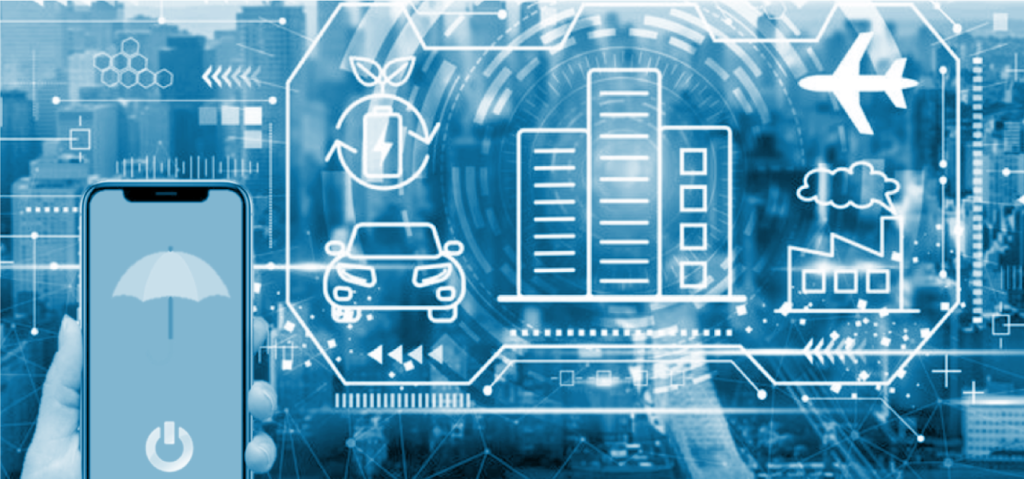
The insurance industry is being reinvented by Internet of Things (IoT) technologies that enable insurers to move from reactive, periodic risk assessments to real-time, personalized experiences for policyholders. IoT devices — such as telematics in vehicles, wearable health sensors, and smart home systems — continuously collect actionable data that helps insurers evaluate risk, design dynamic policies, and tailor customer interactions throughout the insurance lifecycle. As connected insurance platforms mature in 2026, organizations that leverage IoT effectively are able to reduce costs, improve customer-centricity, and unlock new value streams across underwriting, claims, and engagement.
IoT-Enabled Personalized Risk Assessment
Real-Time Telematics for Usage-Based Insurance
Telematics sensors installed in vehicles or connected through smartphone apps capture driving behaviors such as speed, braking patterns, and trip duration. Insurers use this continuous stream of data to price auto insurance dynamically, offering premiums that reflect actual risk rather than broad demographic assumptions — a key driver of personalized customer experiences.
Wearables for Health Insurance Insights
Wearable devices — like fitness trackers and smartwatches — collect health metrics such as activity levels, heart rate, and sleep patterns. This data empowers insurers to design usage-based health insurance plans that reward healthy behaviors with lower premiums and proactive care recommendations.
Smart Home Sensors for Property Protection
IoT sensors in smart homes detect environmental risks — such as water leaks, smoke, or temperature anomalies — allowing insurers to issue early warnings or offer preventive guidance. These insights enhance safety while improving customer perception of insurance as a partner in risk prevention.
Contextualizing Data for Personalized Underwriting
By combining continuous IoT data with traditional risk models, insurers develop granular risk profiles. This layered approach enables more accurate pricing and tailored coverage options that align with a policyholder’s habits and lifestyle.
IoT-Powered Customer Feedback Loops
Real-time device data allows insurers to offer personalized feedback, tips, and alerts directly to customers via apps or dashboards. This data-driven communication fosters engagement, trust, and long-term loyalty.
Adaptive Policy Lifecycle Management
Beyond initial pricing, IoT insights can trigger dynamic policy adjustments over time. For instance, safe drivers may see rate reductions mid-term, and health engagements can lead to wellness rewards — all reinforcing a personalized insurance experience.
Transforming Claims and Customer Interactions
Automatic Incident Detection and Prompt Response
IoT devices dramatically accelerate claims workflows by triggering incident alerts automatically — for example, when connected vehicle sensors detect collision data or smart home systems register damage. This reduces delays and manual reporting friction for customers.
Objective Evidence for Claims Validation
Historical and real-time IoT data provides objective evidence to validate claims faster. Insurers rely on timestamped sensor feeds rather than paper trails, reducing human error and improving resolution accuracy.
Enhanced Fraud Detection
Insurance fraud is minimized when insurers can compare IoT-collected data against reported claims. Connected devices supply consistent records that help adjusters detect discrepancies and protect policyholders from higher costs associated with fraud.
Speeding Up Settlements
Connected sensors can feed incident data directly into claims systems, enabling automated rules and predictive logic to trigger payouts sooner. This rapid throughput significantly enhances customer satisfaction.
Personalized Customer Support Channels
Insurers can leverage IoT event triggers to initiate tailored outreach — such as safety tips following near-risk events — enabling richer, proactive customer interactions that feel supportive rather than transactional.
Data-Driven Self-Service Portals
IoT integration supports interactive portals where policyholders can view real-time analytics about their behavior, risk levels, and claims history, putting more visibility and control into the customer’s hands.
Operational Excellence and Strategic Growth
Enhanced Underwriting Through Continuous Data
Continuous IoT streams give underwriters live insight into behaviors and environments, replacing static snapshots. This evolution in data maturity allows for more accurate risk decisions and better long-term models that serve both insurer and insured.
Predictive Analytics for Prevention
When insurers combine IoT with AI and predictive models, they can anticipate risk events — such as potential health flare-ups or equipment failures — and intervene proactively, reducing claim frequency and enhancing outcomes.
Optimized Operational Efficiency
IoT reduces manual data collection and accelerates decision cycles across underwriting, claims, and engagement units. This leads to lower administrative costs and faster throughput across core insurance processes.
Data Security and Interoperability Focus
As IoT adoption grows, ensuring secure data flows and seamless integration with existing insurance platforms becomes critical. High data governance standards preserve privacy and foster trust with policyholders.
New Product Innovation and Competitive Positioning
Insurers that embed IoT into their software stack are positioned to develop next-generation products — such as parametric insurance, wellness programs, and dynamic coverage — differentiating themselves in a crowded market.
Collaboration with Technology Specialists
Successfully implementing IoT-based solutions often requires deep technical expertise. Partnering with a health insurance software development team enables insurers to design, deploy, and scale robust connected platforms that meet regulatory, performance, and user experience expectations.
Conclusion
IoT is no longer an experimental add-on — it’s a foundational element powering next-gen insurance software and personalized customer experiences in 2026. By capturing continuous data from telematics, wearables, and smart sensors, insurers can shift to dynamic risk models, automate claims workflows, and deliver highly tailored interactions throughout the policy lifecycle. These innovations not only enhance operational efficiency but also elevate customer engagement and loyalty in an increasingly competitive insurance landscape where real-time insights and personalization are expected rather than optional.